
Optimal Seasons for Landscaping Projects
Landscaping projects are most effective when scheduled during optimal seasons, ensuring healthy growth and long-lasting results. Timing depends on local climate conditions, plant types, and project scope, with spring and fall generally considered ideal for many landscaping activities.
Spring offers moderate temperatures and increased rainfall, promoting healthy plant establishment and growth. It is suitable for planting new features and revitalizing existing landscapes.
Fall provides cooler weather and ample moisture, ideal for planting and preparing landscapes for winter. It allows plants to establish roots before the colder months.
Summer may be suitable for ongoing maintenance and installing drought-tolerant plants, but high temperatures require careful planning to prevent stress on new plantings.
Winter is generally less favorable for planting but can be appropriate for hardscaping and planning. Certain hardy plants can be installed during this time.
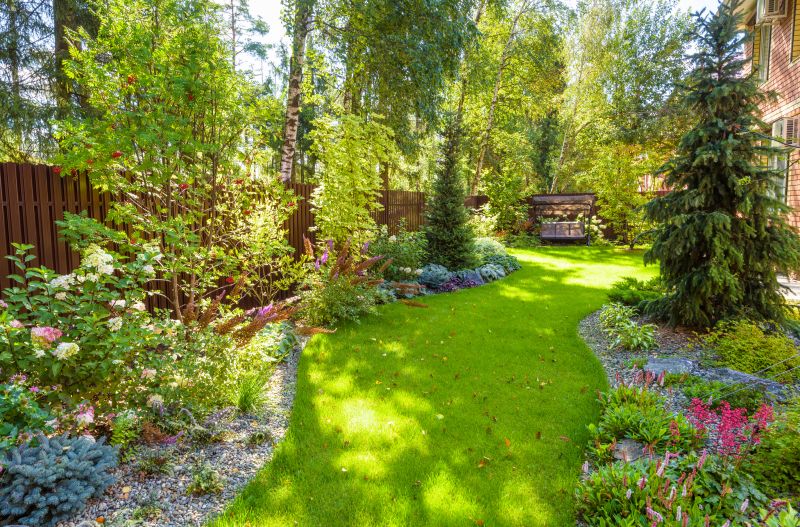
Ways to make Landscapings work in tight or awkward layouts.
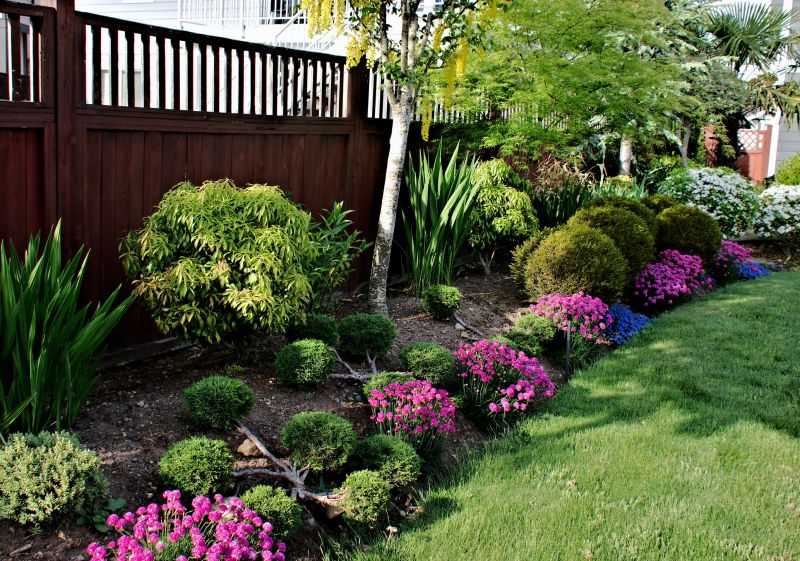
Popular materials for Landscapings and why they hold up over time.
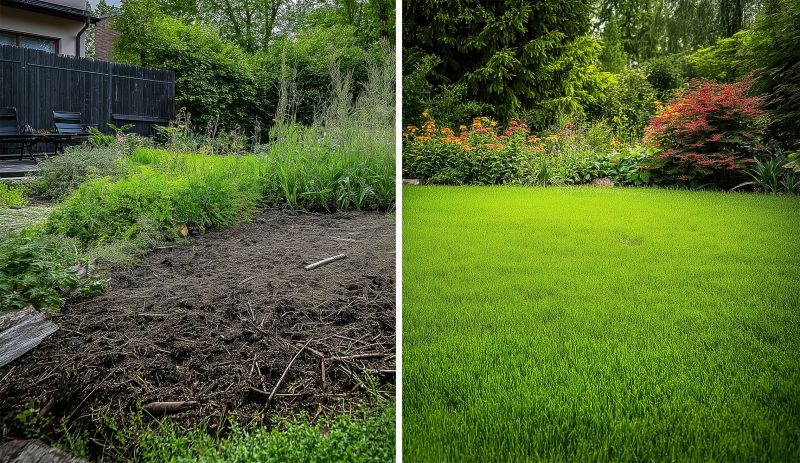
Simple add-ons that improve Landscapings without blowing the budget.
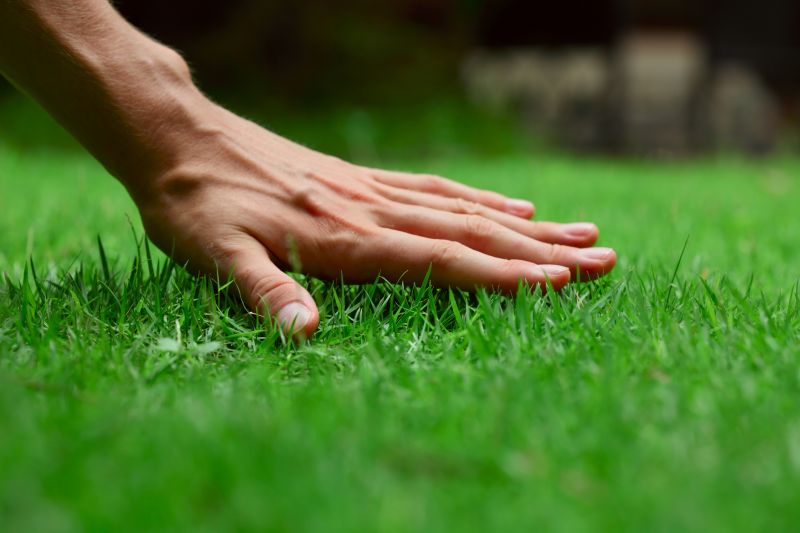
High-end options that actually feel worth it for Landscapings.
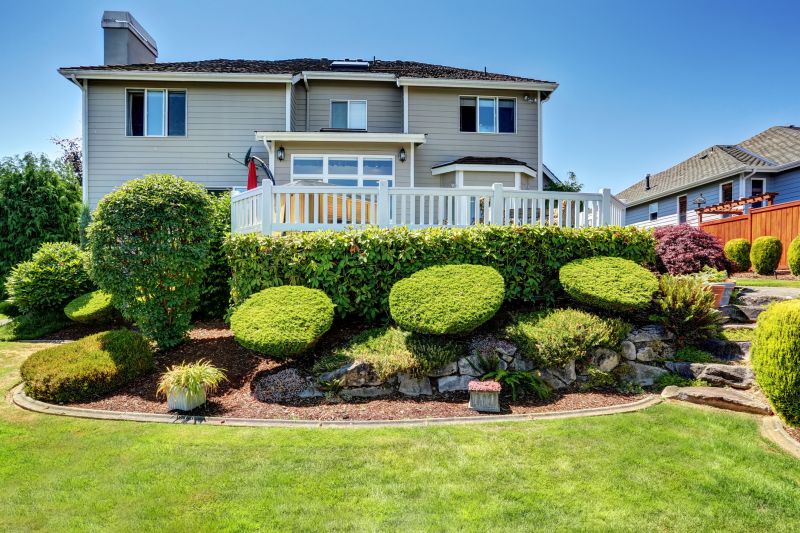
Finishes and colors that play nicely with Landscapings.
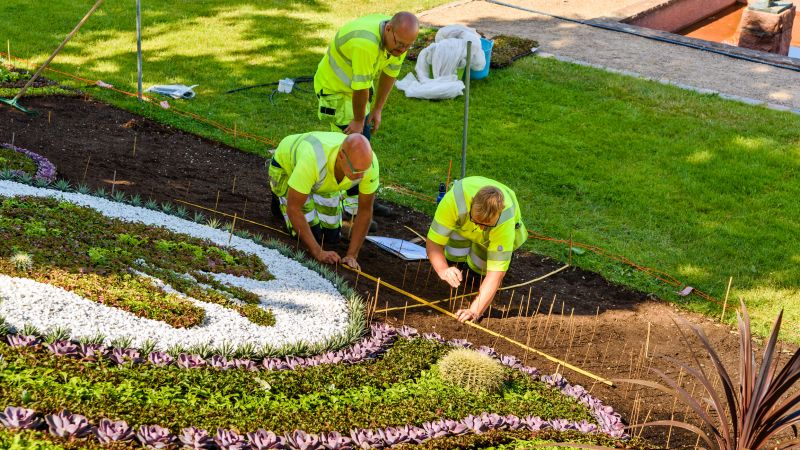
Little measurements that prevent headaches on Landscapings day.
| Season | Suitable Activities |
|---|---|
| Spring | Planting, soil preparation, installing new features |
| Summer | Maintenance, drought-tolerant plant installation |
| Fall | Planting, soil enrichment, preparing for winter |
| Winter | Hardscaping, planning, installing hardy plants |
Landscapings enhance the aesthetic appeal and functionality of outdoor spaces. Proper timing ensures plants establish well, reduces maintenance, and prolongs the lifespan of landscape features. Seasonal considerations help optimize growth conditions and project success.
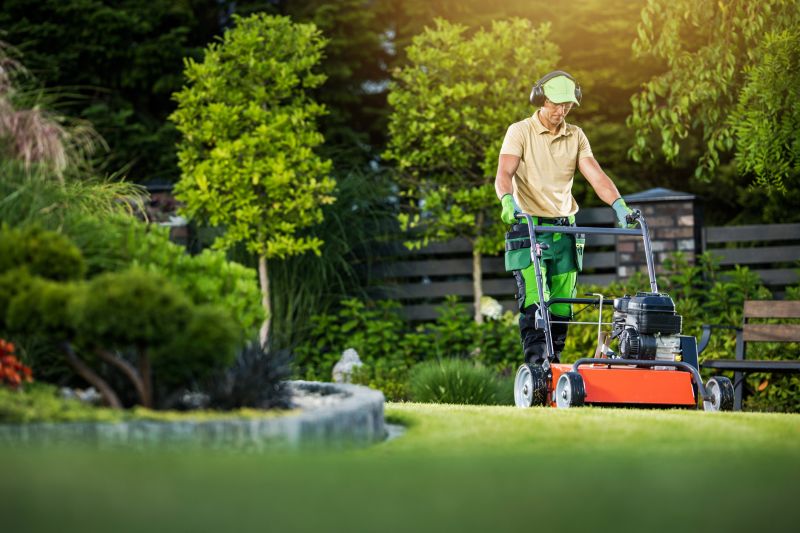
A 60-second routine that keeps Landscapings looking new.
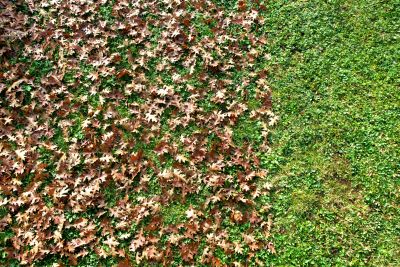
A frequent mistake in Landscapings and how to dodge it.
Small tweaks to make Landscapings safer and easier to use.
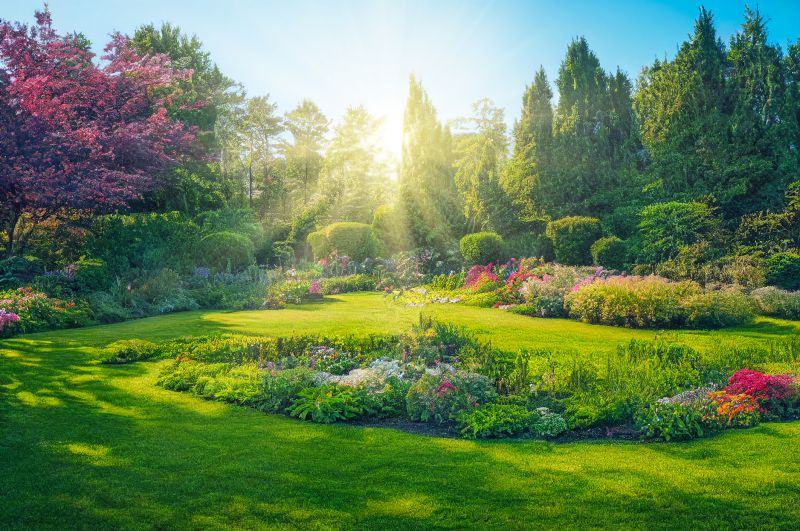
Lower-waste or water-saving choices for Landscapings.
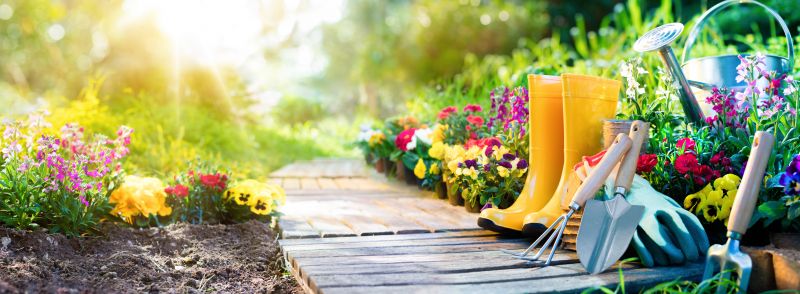
The short, realistic tool list for quality Landscapings.
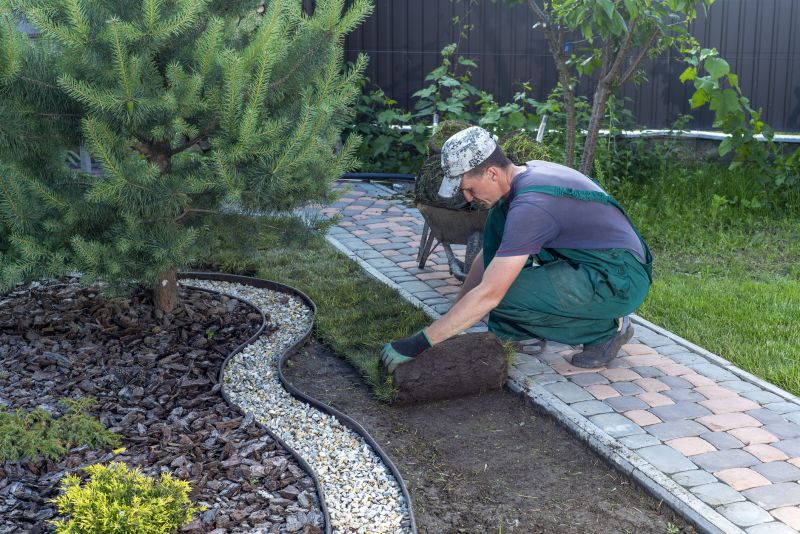
Rough timing from prep to clean-up for Landscapings.
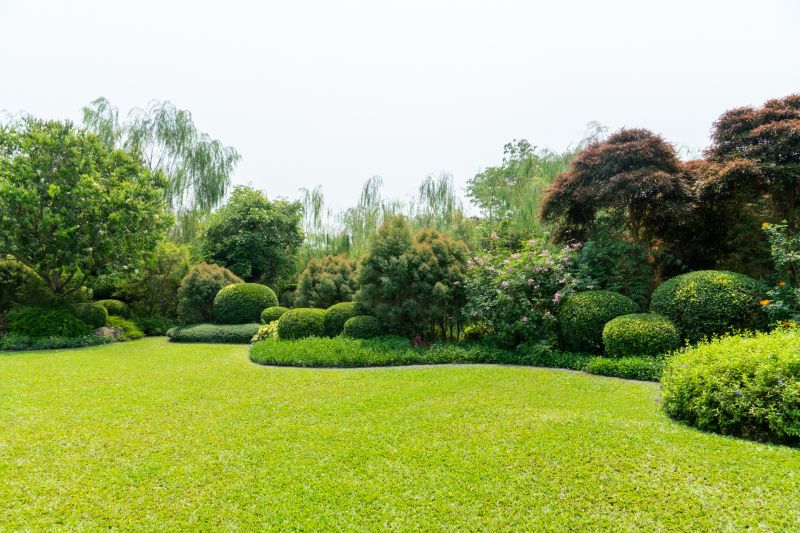
Quick checks and paperwork to keep after Landscapings.
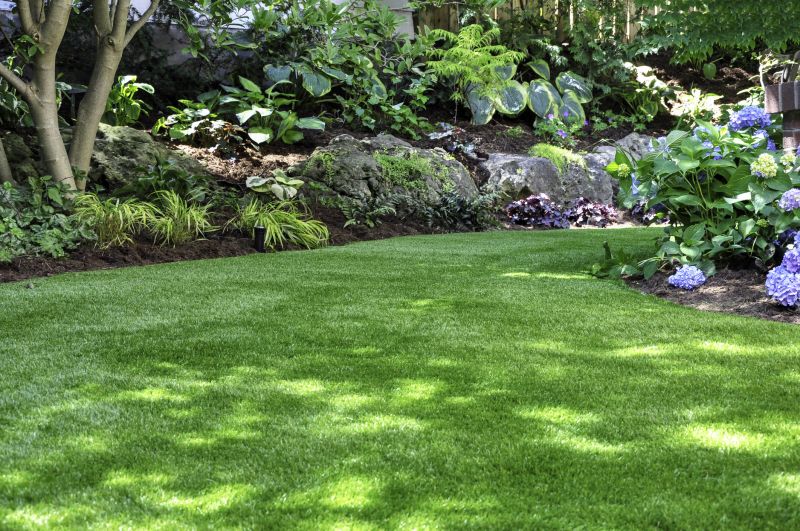
Examples that show the impact a good Landscapings can make.
Scheduling landscaping projects during the appropriate season can lead to better plant health, fewer complications, and more efficient use of resources. Consulting local climate patterns helps determine the best timing for specific landscape features.